Choosing the right hinge
The door position decides the hinge arm. Look at your cabinet from above, pick the match, and send us the measurements below.
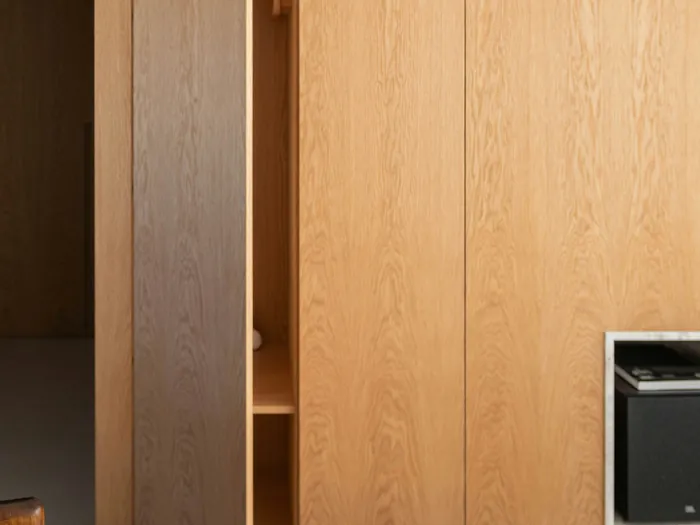
Full overlay
The door covers the whole side panel. The most common kitchen layout.
Straight-arm hinge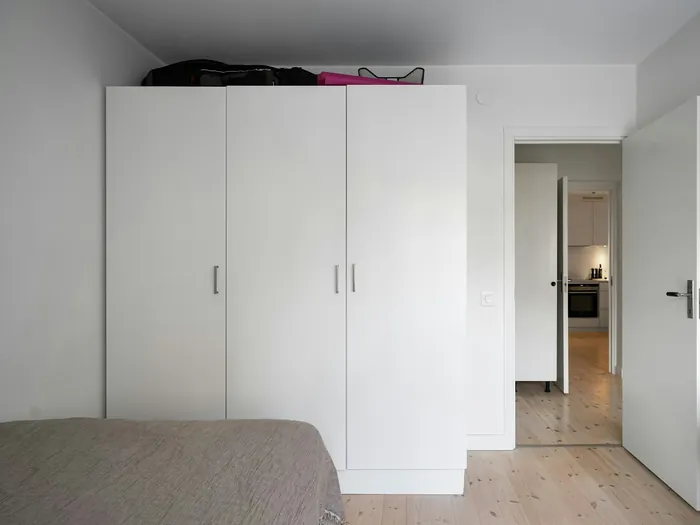
Half overlay
Two doors share one side panel, each covering half of it. Typical in multi-door wardrobes.
Half-cranked hinge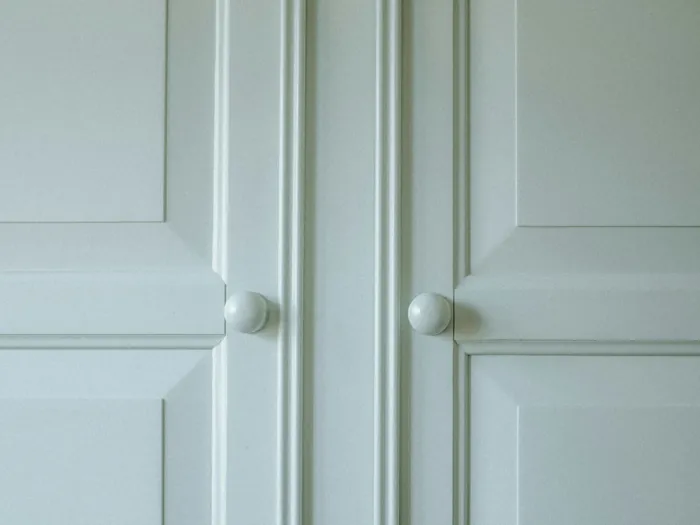
Inset
The door sits inside the cabinet frame, flush with the front.
Fully cranked hingeWhat to send us
- Door thickness and material
- Door height and approximate weight
- Door position: full overlay, half overlay or inset
- Opening angle and closing type
- Quantity and destination country
- A photo of your current hinge, if you have one
What we request from the factory
- Open-close cycle test results (EN 15570 method; quality hinges pass 50,000 cycles or more)
- Neutral salt spray test results for corrosion resistance
- Photos and drawings of the exact model you order
- Its business licence and factory details
Measure your door in five steps
- Look from aboveIs the door over the side panel (full), sharing it (half), or inside the frame (inset)?
- Measure the doorThickness, height and width. Weigh it if you can.
- Check the side panelIts thickness, usually 16 or 18 mm.
- Pick the angleStandard 95–110°, or wide-angle if drawers sit behind the door.
- Pick the closingSoft-close, self-closing or push-to-open.
Hinge words, explained
Overlay
How much of the side panel the door covers when closed.
Crank
The bend in the hinge arm. Straight for full overlay, half crank for half overlay, full crank for inset.
Cup
The round part that sits in the 35 mm hole in the door.
Mounting plate
The part screwed to the side panel; the arm clips or slides onto it.
Boring distance
Distance from the door edge to the cup hole, usually 3–6 mm.
Clip-on
The arm snaps onto the plate without tools, so doors come off easily.
Have a hinge you need to match?
Send us a photo, a drawing or a product code. We will find matching options and reply within two business days.